An inbound marketing funnel is a structured marketing framework that guides potential customers from first discovering your brand to becoming loyal advocates—and yes, it increases conversions by delivering the right content at the right stage of the buyer’s journey. Instead of “shouting from a mountain,” an inbound marketing funnel attracts qualified leads, nurtures them with relevant information, and moves them toward a confident purchase decision.
If your marketing feels scattered or ineffective, implementing an inbound marketing funnel creates clarity, alignment, and measurable growth.
Frequently Asked Questions
Do you sometimes feel your marketing efforts are about as successful as shouting from a mountain, and your voice is not travelling far enough for anyone to hear? Or maybe you’re just dreaming of a vacation because you can’t figure out how to boost your consumer engagement. The way to ease these frustrations is to use an inbound marketing funnel — and to understand how each stage works to move leads closer to your business.
What if, instead of shouting from a mountain, you found yourself in a secret passageway with a crowd waiting at the opening? If you yelled from here, you would be heard. The answer to reaching a bigger portion of your target audience isn’t actually going on vacation — it’s adding an inbound marketing funnel to your marketing plan to guide customers directly to your company.
An inbound marketing funnel is a planned path of marketing offers that align with your leads’ needs and preferences. Using a marketing funnel energizes your leads and guides them from discovering your brand to becoming loyal advocates. If this concept is new to you, let’s break down the stages and how you can use existing marketing content throughout your funnel.
How to Get Started with Inbound Marketing Funnel Stages
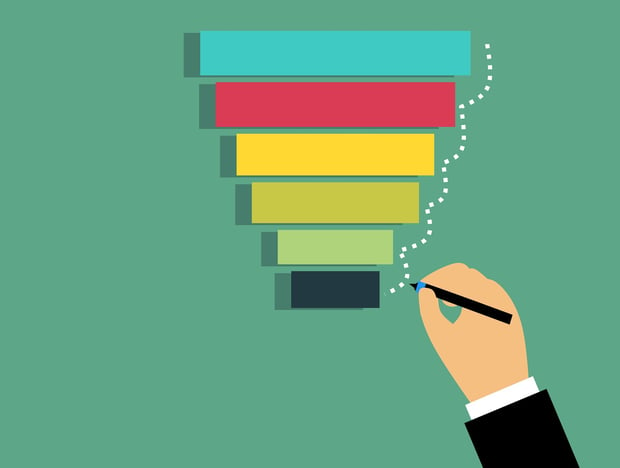
An inbound marketing funnel has multiple stages: Attract (Awareness), Convert (Consideration), Close (Decision), and Delight (Retention). The core of content in all these stages is trust-building and personalized experiences that help your audience solve problems.
Here’s what happens at each stage:
-
In the attract stage, you draw in potential customers using blogs, social posts, or short videos to gain high-level interest from a broader but still relevant — audience. This is top-of-the-funnel content, designed to collect new leads through SEO-optimized, educational material. )
You're going to lose some leads as the funnel narrows. And this is a good thing. While the numbers are fewer, the chance that those remaining leads will convert is higher because they’ve shown you that they truly want to be in the funnel.
-
The convert stage falls here. This is the middle-of-the-funnel stage. Here, you provide longer, more detailed content that supports research and demonstrates how your business solves specific problems. Whitepapers, e-books, and in-depth guides help move marketing-qualified leads closer to a buying decision.
-
Close stage (Decision): As leads move toward becoming customers, you nurture them with more personalized communication. Your sales team plays a larger role, offering bottom-of-the-funnel content such as free demos or one-on-one consultations.
-
The funnel does not end at the sale. You continue engaging customers with valuable content and communication to build loyalty, encourage repeat purchases, and increase referrals. This is the delight stage (Retention) .
How to Use Existing Content to Kickstart a Marketing Funnel
Marketing campaigns that align with the buyer’s journey are more effective when organized into a funnel structure. Even if you have never formally built an inbound marketing funnel, you likely already have the content you need to get started.
Begin with your existing materials:
-
Blog posts
-
Website pages
-
Marketing emails
Review, refresh, and classify each piece according to the appropriate funnel stage. Repurposing content saves time and ensures your messaging aligns with consumer decision-making.
Your buyer personas are central to this process. These represent your ideal customers — the people most likely to buy from you. Understanding what motivates them, what information they need, and how they make buying decisions helps you structure your funnel more effectively.
Tools like HubSpot CRM can provide insight into customer activity and engagement. Using contact tracking and analytics, you can better understand how leads interact with your content and refine your funnel accordingly.
Tips for Building a Better Inbound Marketing Funnel
To successfully launch and maintain an inbound marketing funnel, focus on the following elements:
-
Prioritize Search Engine Optimization (SEO) at Every Stage: Search engine optimization is essential throughout your funnel. Conduct keyword research to identify the terms your audience uses when searching for products or services like yours. Integrate those keywords naturally into your content to improve discoverability and increase qualified traffic.

-
Use CRM Technology to Optimize Performance: Technology supports personalization and tracking. Platforms like HubSpot CRM offer tools for website management, email marketing, automation, contact segmentation, and performance analytics. These features allow you to design, distribute, and measure funnel content more effectively.
-
Continue Engagement After the Sale: An inbound marketing funnel extends beyond closing a deal. Adding customers to a post-sale engagement strategy strengthens relationships, builds trust, and increases long-term loyalty.
Content creation for inbound marketing funnels can be time-consuming, but it becomes manageable with a structured plan. By understanding the stages of the funnel and aligning your existing content to each step, you create a system that improves consumer engagement, supports your sales team, and drives sustainable growth.
Think Outside the Box and Learn How to Grow Sales Differently